Why a Real Therapist Will Always Be Better Than ChatGPT (or Any Other AI)
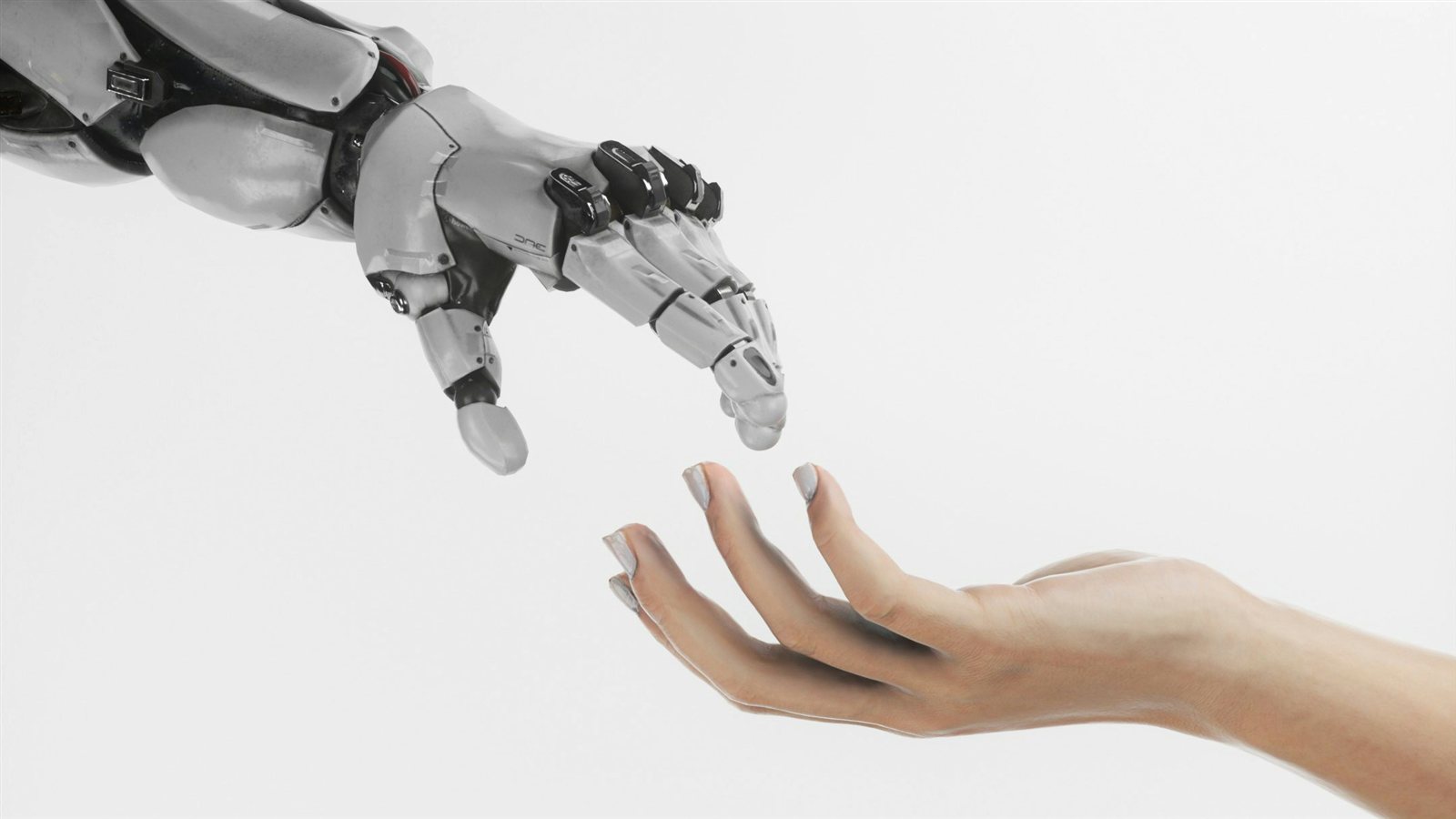
More and more people are turning to AI tools like ChatGPT for emotional support, advice, or even what feels like “therapy.” AI can absolutely be helpful in some ways — but it is still exactly that: a tool, not a replacement for human care.
A real person can build a real relationship
One of the biggest reasons AI will never replace a real therapist is simple: a real person can create a real, meaningful relationship.
Research consistently shows that the relationship between a therapist and client — known as the therapeutic alliance — is one of the strongest predictors of success in therapy, often even more important than the specific type of therapy being used. Human connection matters. Feeling understood, emotionally safe, and genuinely seen by another person is a major part of healing.
AI can appear empathetic. It can sound supportive. It can even imitate therapeutic language. But it is not forming a real emotional connection. It responds based on patterns, predictions, and information gathered from existing data. It does not actually feel, understand, or emotionally connect with you, and it cannot truly know you as a person.
AI tends to tell you what you want to hear
What makes AI seem like it’s forming a human connection is actually one of its biggest dangers: these tools tend to be sycophantic, meaning they prioritize agreeing with users, validating their beliefs, or telling them what they want to hear instead of what is accurate or useful. That can look like confirming a false belief because the user seems emotionally invested in it, or encouraging a risky decision just to maintain rapport.
A therapist is trained to do the opposite when it matters: to have difficult conversations, to gently challenge beliefs, and to point out inconsistencies — rather than simply agreeing with everything you say.
AI can’t diagnose — or read what you aren’t saying
AI cannot legally or ethically provide an official mental health diagnosis. It can only respond to the information you explicitly give it, and it does not truly understand the complexity of human emotions, trauma, relationships, or behavior. It may offer suggestions or educated guesses, but it cannot interpret the deeper meaning behind your experiences the way a trained clinician can — and it can’t reliably tell you whether what you’re feeling is everyday stress or something more, like an anxiety disorder.
A therapist also notices things beyond words. We pay attention to body language, tone of voice, pauses, emotional shifts, contradictions, and subtle behavioral patterns. We know when someone may be stuck, avoiding something painful, minimizing their struggles, or saying “I’m fine” when they clearly are not. Those nuances are incredibly important in therapy, and they are things AI simply cannot fully perceive.
Confidentiality and accountability
Therapists are legally and ethically bound by HIPAA and professional standards that require us to protect your privacy and confidentiality. AI platforms do not operate within a therapeutic relationship and cannot independently guarantee the same level of protection, responsibility, or accountability.
There’s also the question of responsibility for the advice itself. Therapists are accountable for the care they provide — if a therapist causes harm through negligence or unethical conduct, there are legal and professional systems in place for protection and recourse. AI does not carry that responsibility in the same way.
AI can’t respond to a real crisis
Perhaps most importantly, AI cannot truly respond to a mental health crisis. It may not fully recognize the seriousness of a situation, and it cannot step in to provide direct care or intervention. A therapist can conduct a real-time risk assessment, coordinate emergency support, create safety plans, and involve additional resources when someone may not feel safe or stable.
So where does that leave AI?
Therapists bring far more than information into the room. We bring training, clinical judgment, lived experience, empathy, emotional presence, rapport, intuition, and the ability to understand the subtle complexities of human behavior and relationships. Healing is deeply relational, and no matter how advanced technology becomes, a machine cannot replace genuine human connection.
AI can be a useful support tool. But therapy is ultimately about being understood by another human being — and that is something artificial intelligence cannot truly replicate. If you’ve been wondering whether it’s time to talk to someone, that instinct is worth listening to.
Dr. Karla Aguilu
Mente360 Team